The Hidden Zen Gardens of Kyoto
"In the silent raking of gravel lies an entire ocean of contemplation."
1. Beyond the Tourist Gateways
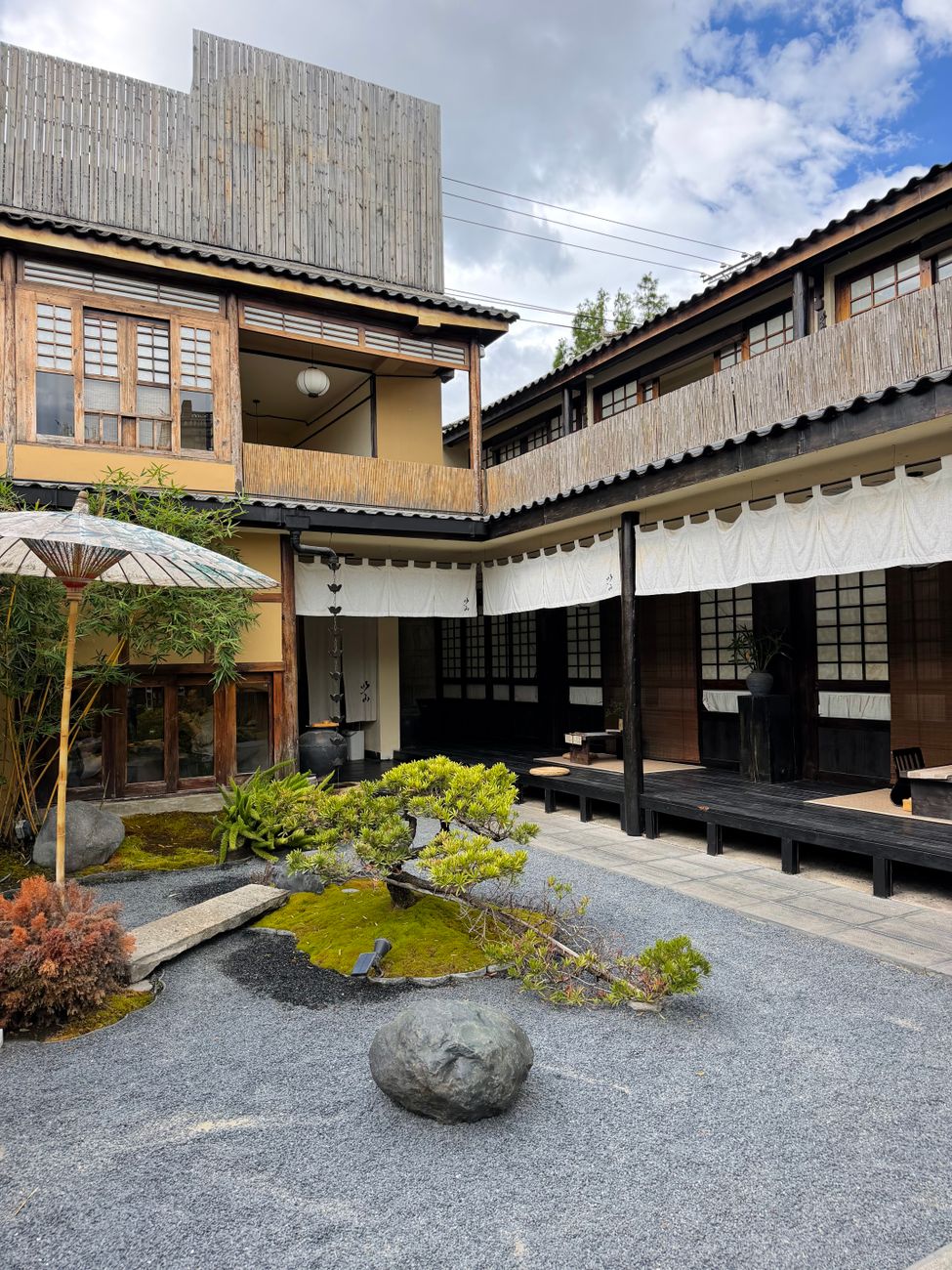
Kyoto is home to over two thousand temples, yet most visitors cluster around a handful of famous sites. Just a short walk away from the bustling main avenues, along narrow residential alleys paved with river stones, lie private sub-temples whose gardens remain quiet sanctuaries of contemplation.
These courtyards were designed not for passive admiration, but as dynamic aids for meditation. As season shadows shift across moss-covered stones, the gardener's original intent reveals itself with remarkable clarity.
2. The Art of Karesansui (Dry Landscape)
The principle of Karesansui relies on gravel, rocks, and minimal vegetation to depict vast cosmic landscapes. A single placed boulder represents an island rising from a swirling sea of carefully raked white granite sand.
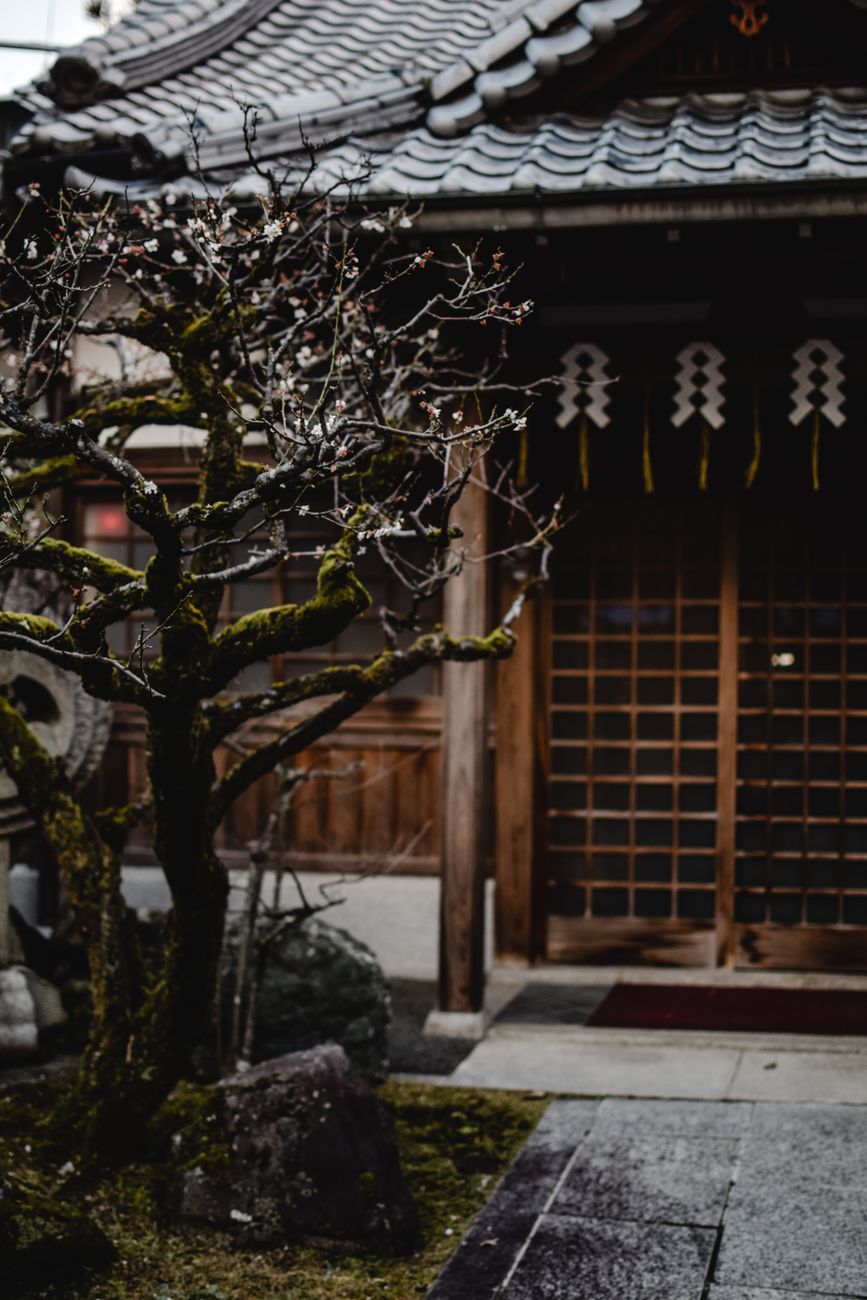
Observing these gardens requires unhurried attention. Sitting on the polished wooden veranda of a traditional tatami hall, one begins to notice subtle textures—the patina of aged cedar columns, the rhythmic dripping of water from a bamboo spout, and the contrast between weathered stone and vibrant green moss.
3. Practical Guide for Mindful Visitors
To experience these gardens in their intended state of peace, we recommend visiting during early morning hours immediately upon opening, or during late afternoon as twilight falls.
- Remove footwear respectfully before entering temple verandas.
- Maintain low voice tones to preserve the quiet sanctuary atmosphere.
- Avoid photography in designated sacred meditation rooms.
Plan Your Journey to Kyoto
Allow our travel specialists to curate a private, unhurried expedition across Japan's historic capital.
Request Bespoke Itinerary